
The genes
The traits
What a flower can show, gene by gene, with portraits of wild flowers from the game.
How rare is rare
Every trait on a flower card has a tier chip that says how often wild flowers of that species show it:
- Common you'll see it all the time
- Uncommon turns up now and then
- Rare a lucky find in the wild
There are rarer tiers than these. This site doesn't show them.
Tiers depend on the species. A blotch is the usual pansy face, but on a daisy it's rarer than anything on this page. Each species has its own wild habits, and breeding lets you take a trait from where it's common to where it isn't.
Colour
Colour comes from several genes working together: two switches that let colour through at all, two pigment genes that choose between blue-purple and red-pink, a carotenoid gene for yellows, three depth genes and a warm-cool tilt. Between them they make dozens of named colours, from Cream and Lemon to Iris and Mulberry.
Each species starts somewhere different. Most wild sunflowers are Lemon, most wild hydrangeas White, and wild tulips come up in Rose, White, Iris and Coral.
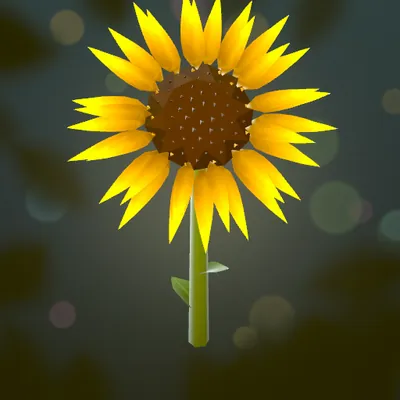
Lemon Pointed SunflowerThe usual wild sunflower Common 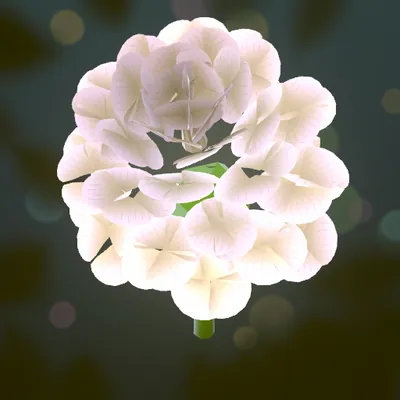
Blush Round HydrangeaBlush, semi-double Uncommon 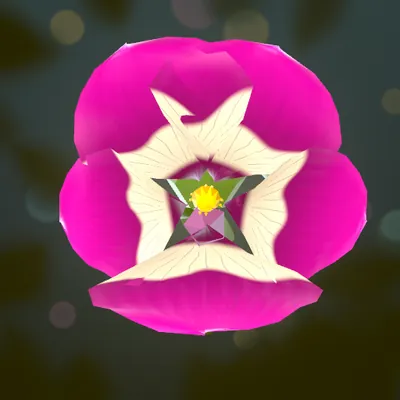
Magenta Round PansyMagenta, eyed in white Uncommon 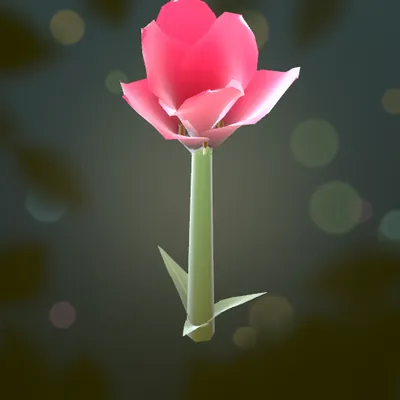
Rose Round TulipRose, the commonest wild tulip Common
Pattern
A dozen or so patterns, ranked from strong to weak, as the breeding page explains. A flower shows the strongest one it carries.
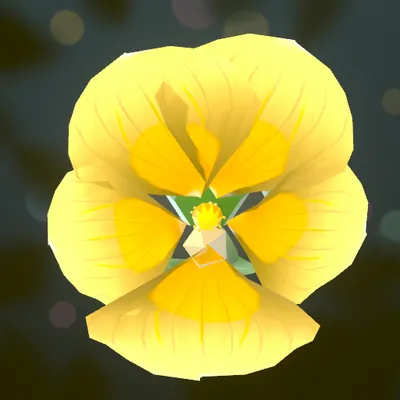
Cream Round PansyBlotched Common 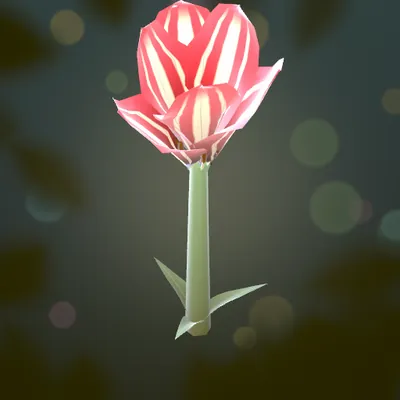
Rose Round TulipStriped Uncommon 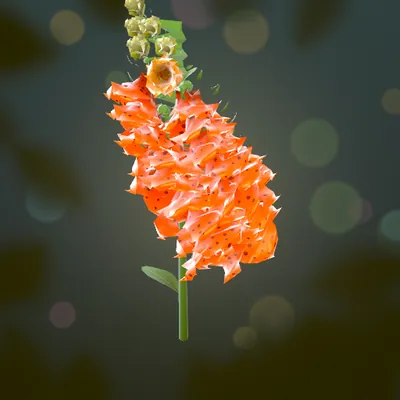
Coral Frilled FoxgloveSpeckled Common 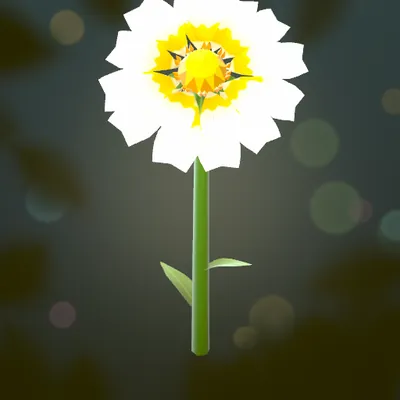
White Round DaisyEyed Rare 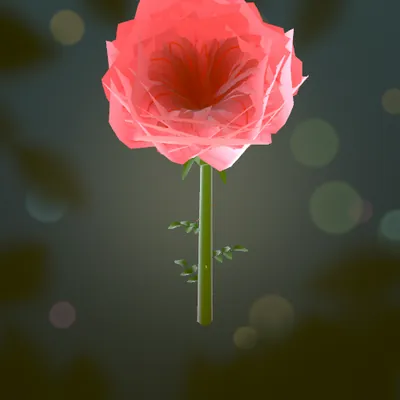
Rose Round RoseVeined Uncommon 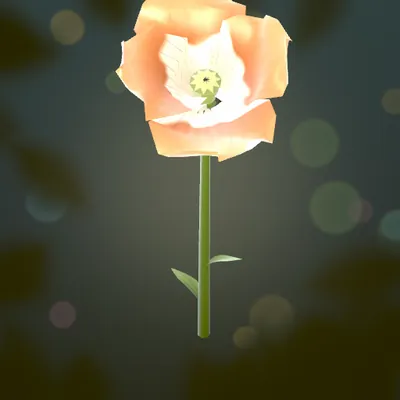
Apricot Round PoppyBicolor Uncommon 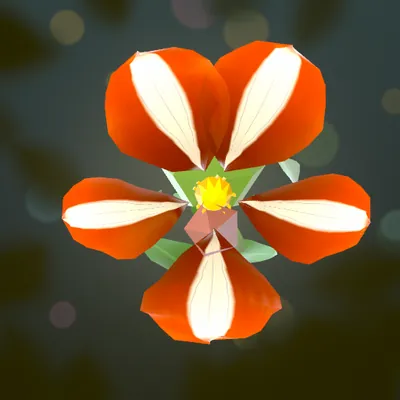
Terracotta Star PansyRayed Uncommon 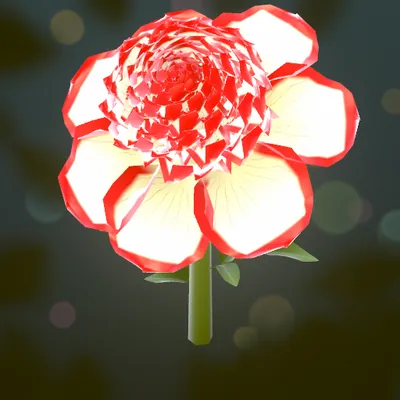
White Round PeonyPicotee Uncommon 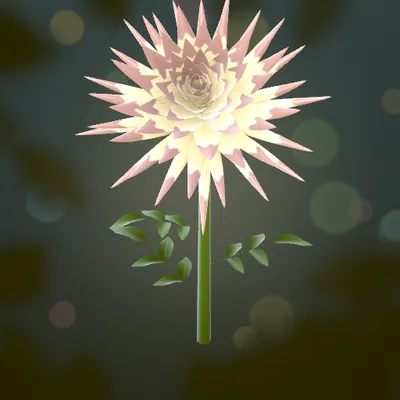
White Pointed DahliaTipped Uncommon 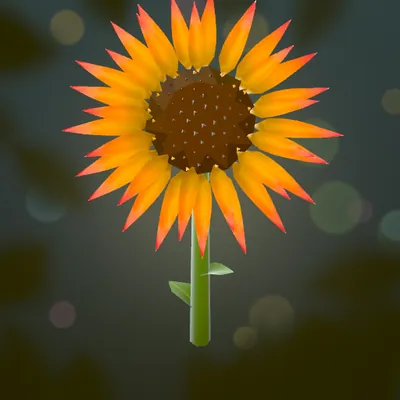
Lemon Pointed SunflowerOmbré Rare
Some species lean toward a pattern. Speckles are in the foxglove's nature, a blotch in the pansy's, and the moth orchid comes speckled or veined far more often than most.
Marking colour
A patterned flower's markings have a colour of their own, set by a separate gene with several versions. Wild foxgloves are mostly marked in wine or mulberry, sunflowers in cherry and deep tangerine, daisies in lemon. Cross a foxglove's dark spotting onto a pale bloom and you've got something the hedgerow rarely makes.
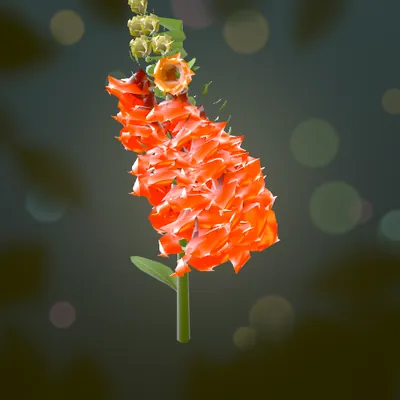
Flame Frilled FoxgloveBlotched in wine Rare 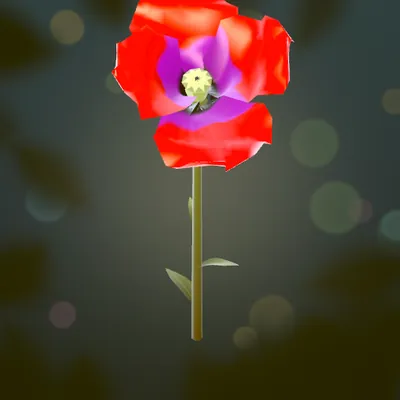
Scarlet Round PoppyEyed in mulberry Rare 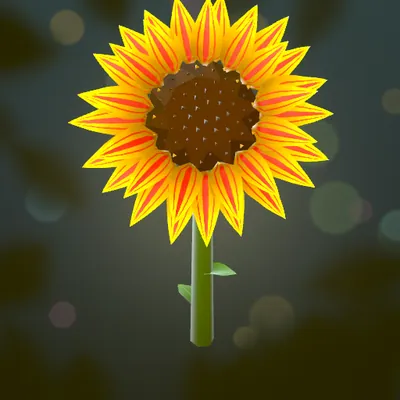
Lemon Round SunflowerStriped in cherry Rare
Petal shape
Round, pointed, frilled or star, with round the strongest. Wild lilies are mostly pointed, and lilies and hydrangeas come up star-shaped fairly often. On a daisy, tulip or rose a star is very rare.
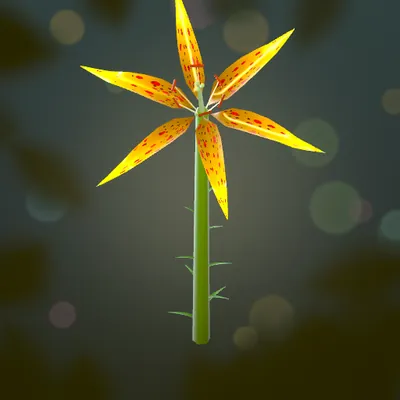
Lemon Star LilyStar, speckled in cherry Uncommon 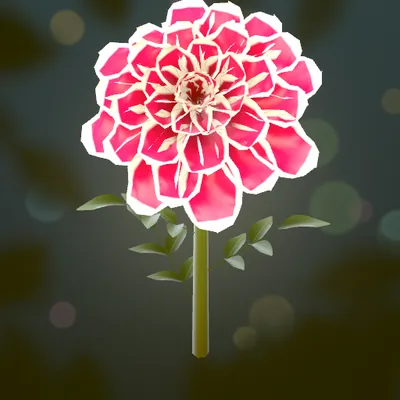
Rose Frilled DahliaFrilled, picotee in white Common 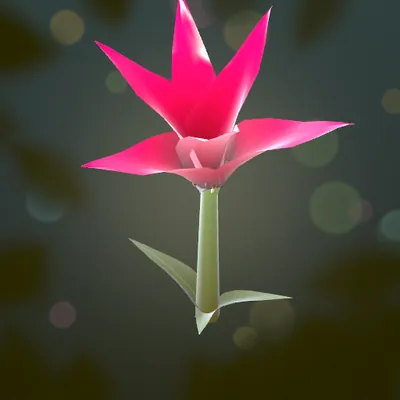
Rose Pointed TulipPointed Common
Size
Small, medium or large. Size blends, so one large copy and one small copy make a medium. Sunflowers and queens of the night run large; poppies and pansies run small.
Single, semi-double, double
Doubling adds up one copy at a time: no copies is a single flower, one copy a semi-double, two a full double. Roses, peonies and dahlias carry plenty of it in the wild. On a tulip or a hydrangea a full double is Rare.
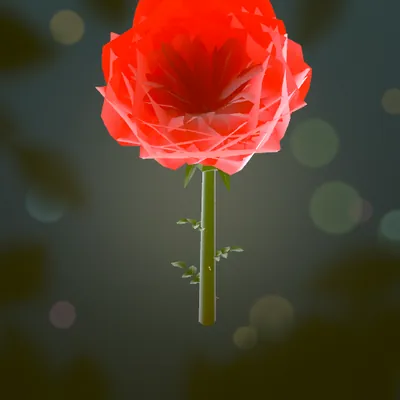
Flame Round RoseSingle Common 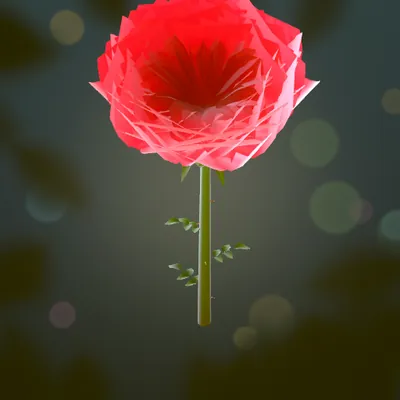
Rose Round RoseSemi-double Common 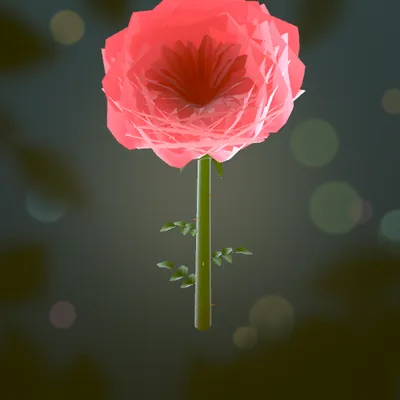
Rose Round RoseDouble Common 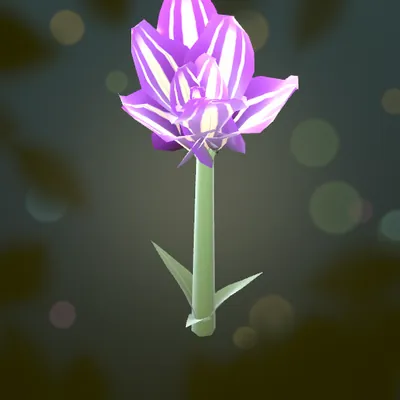
Pale Amethyst Round TulipDouble, striped in white Rare
Two-tone
A recessive gene that shades each petal from its base colour to a second one. It turns up now and then in the wild, and since it's recessive, two carriers are the quickest way to more of it.
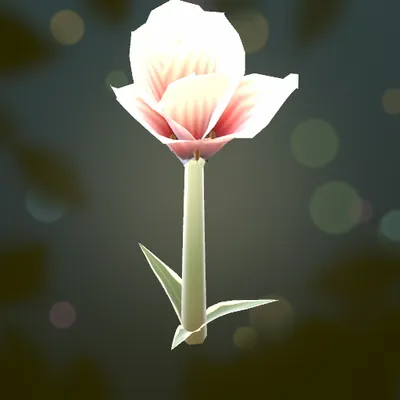
Hot Pink Round TulipTwo-tone Rare 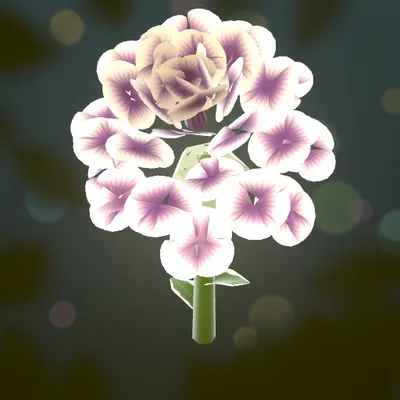
Pale Lilac Round HydrangeaTwo-tone Rare
Feathered
In the 1630s a tulip with feathered, flamed petals could sell for more than a house. The real breaks came from a virus. In Heirbloom they come from a jumping gene that breaks the colour up along the petal edges. One copy feathers the rims.
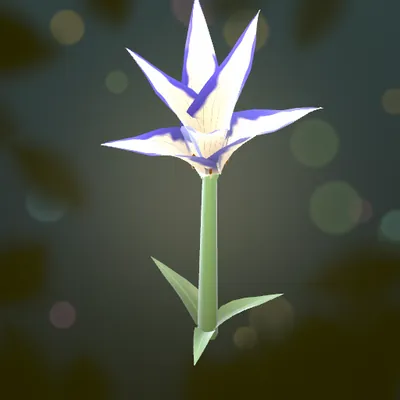
Iris Pointed TulipFeathered rims Uncommon
And the rest
Not on this pageSome flowers open with something extra. Some only at certain times of year.
Some flowers are better found than read about. The Florilegium shows a question mark for every page you haven't filled yet.
Read on